SoFi Stadium
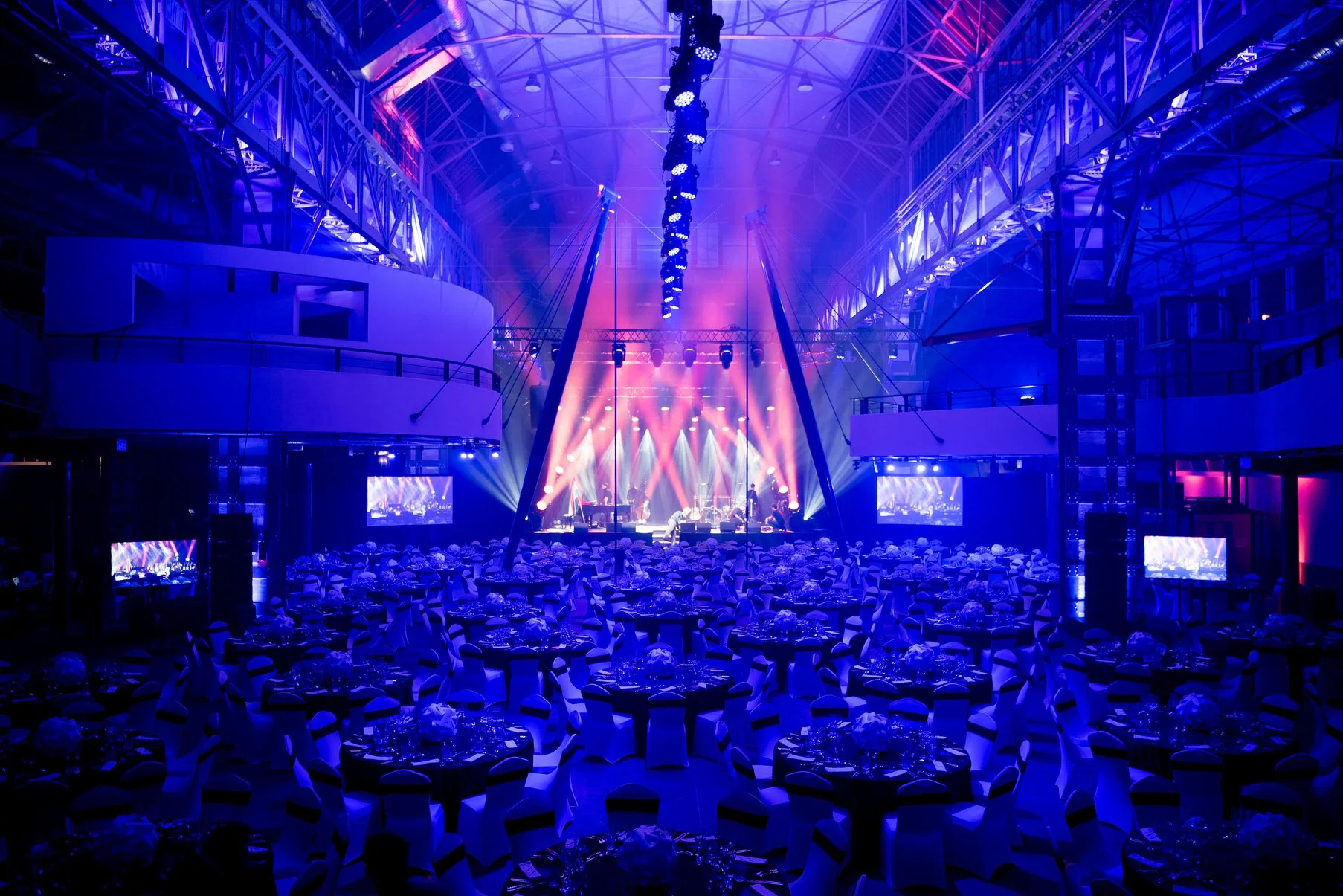
SoFi Stadium is a stadium and private-event campus in Inglewood, and exhibitors planning a show here should start with the venue room mix, access model, service requirements, and event calendar. The venue offers more than 35 programmable event spaces, including YouTube Theater and American Airlines Plaza. This is a major Inglewood activation venue for corporate conferences, receptions, galas, branded hospitality, and large sponsor programs tied to the westside, airport, and sports/entertainment corridor.
SoFi Stadium Planning Read
the venue offers more than 35 programmable event spaces, including YouTube Theater and American Airlines Plaza. Private-event capacities range from 100 to 1000+ guests. The campus is 2.5 miles from LAX, 12 miles from Santa Monica, and 15 miles from Downtown Los Angeles.
the venue offers more than 35 programmable event spaces, including YouTube Theater and American Airlines Plaza. Private-event capacities range from 100 to 1000+ guests. The campus is 2.5 miles from LAX, 12 miles from Santa Monica, and 15 miles from Downtown Los Angeles.
Halls, Meeting Rooms, and On-Site Services
private-event capacities range from 100 to 1000+ guests. The campus is 2.5 miles from LAX, 12 miles from Santa Monica, and 15 miles from Downtown Los Angeles.
On-Site Operating Notes
The private-events materials also highlights in-house premium catering and private-events planning support.
Working a Show at SoFi Stadium
Crews loading into work the building the way Inglewood venues actually run: confirmed move-in windows, advance coordination with the venue event manager, freight staged against the published dock and access plan, and labor calls timed to the show's published manual. For Conference Services, Expo Services, and Convention Services programs, that means walking the halls early, mapping power and rigging against the booth plan, and getting graphics, AV, and fabrication on the same install clock as the rest of the floor.
Services We Run at SoFi Stadium
Exhibitors at the stadium typically need Exhibitor Appointed Contractor Services, General Contractor Trade Show Services, Trade Show Project Management, and Trade Show Booth Design handled by a crew that already knows the building. We bring trucks to the right dock, install on the venue's clock, supervise the floor through show days, and handle dismantle and outbound freight without holding the next exhibitor's slot.
Why SoFi Stadium Matters in Inglewood
This is a major Inglewood activation venue for corporate conferences, receptions, galas, branded hospitality, and large sponsor programs tied to the westside, airport, and sports/entertainment corridor.
Planning Questions Buyers Should Ask
Before a team commits to the stadium, it needs to understand how the venue handles move-in, what kind of service coordination is expected, and whether the show itself depends on an event manager, an authorized-contractor process, or other venue-led approvals. If the venue publishes specific rules around food service, signage, load-in, or room usage, those details become part of the scope whether the creative team is ready for them or not. Labor and venue claims stay conservative until the active show manual confirms the rules. Marketing, operations, and procurement need enough context to compare the stadium against other Los Angeles options without assuming that every building operates in the same way.
How the Space Changes the Build
The size and shape of the venue do more than determine square footage. They affect how many crews are needed, how graphics and AV are sequenced, whether storage can stay close to the exhibit area, and how much time the team needs for a clean turnover. In venues with several halls or multiple meeting-room clusters, the build has to be split into a sequence that respects the room mix. In venues with tighter access or more compressed event calendars, the job can live or die on whether the team has planned the handoffs correctly. For the stadium, those physical details are the starting point for a realistic install plan and a useful conversation about budget, staffing, and timeline.
What Buyers Usually Use SoFi Stadium for
That is the practical value of the stadium.
What to Verify in the Venue Manual
The venue manual is where the practical details become real. Even when a building looks straightforward from the outside, the manual can change the plan by clarifying load-in windows, dock use, contractor rules, food and beverage restrictions, meeting-room policies, or what kinds of approvals the venue expects before a team starts work. For the stadium, that review step matters because the venue specifications only tell part of the story. The rest lives in the operating rules that govern how the event actually gets built. Buyers who read the manual early usually have a better sense of staffing, sequencing, and the amount of contingency time the project should carry. That is the difference between treating the venue as a backdrop and treating it as part of the operating plan.
How We Frame Venue Choice
The stadium frames venue choice around fit, not prestige.
Audience Behavior Inside SoFi Stadium
Audience behavior inside the stadium is part of the build plan. Where people enter, how they move, where they pool at peak, and how the room recovers between sessions all affect where the booth should sit, where the stage should face, and where sponsor moments actually land. A Venue plan does not tell you this; show-site experience does. The plan keeps behavior — not the floorplan — drives the design decisions. Related: Barker Hangar, Hollywood Palladium, and Exhibitor Appointed Contractor Services.
Pairing SoFi Stadium with the Rest of the Plan
A venue only earns the decision once it is tested against the event format, the service stack, and the submarket. Related venue, service, and location comparisons help buyers test the room before it is locked.
SoFi Stadium at a glance
SoFi Stadium shows up on the Los Angeles production calendar often enough that we know the building.
Projects at the stadium start with its published floor plan, dock schedule, and service-order deadlines.
Los Angeles As A Trade Show Market
The attendees vary by show — some weeks draw regional operators, others pull international buyers in for a single conference — but the floor mechanics stay consistent. Every booth needs graphics production, show services, labor calls, and a plan for the specific building it's landing in.
Each pattern has its own lead-time rhythm.
Why Trade Show Services
The difference from a national vendor shows up at the dock.
Over a multi-show calendar, the compound value of a single team shows up in fewer surprises. The second install is faster than the first, the third is faster than the second, and by the fourth the project runs on memory and documentation rather than first-principles planning.
Los Angeles Labor And Venue Services
There is no single labor model for Los Angeles trade shows.
The workable version of Los Angeles labor planning is boring on purpose: read the manual, match the scope to its categories, order what the venue sells directly, and schedule everything else around its posted windows. Surprises almost always trace back to a step someone skipped.
What's included in the project scope
Individual projects layer or remove items based on scope.
Scope boundary is as important as scope inclusion.
The process from start to finish
Everything downstream hinges on those answers.
Venue coordination comes next.
With venue details locked, production runs.
The install phase has one owner on the floor.
During show hours, the booth is a live operating space.
Cost and lead time
The levers that matter: build path (custom, rental, or hybrid), footprint, venue service fees, graphics, freight, and supervision days. A 10x10 turnkey rental and a 30x50 custom island with a double deck are entirely different projects.
A clean schedule starts 4 to 5 months out for custom work and 2 to 3 months for rentals. Shorter lead times are workable but push rush premiums and limit material choices.
How project performance gets measured
Exhibitors who measure programs seriously track leads, floor-booked meetings, and post-show pipeline. The build and the install are upstream inputs to those KPIs.
Client teams sometimes want the booth to carry the pipeline on its own, but the best-performing programs treat the booth as a platform and put real operators on it. On-floor conversation discipline moves the KPIs more than any scenic decision.
SoFi Stadium planning questions
Q: How much lead time is ideal?
Q: What information kicks off a project?
Q: Who runs the booth on-site?
Q: Can the booth travel to the next city on our calendar?
Same structure, swappable graphics, standard crates.
Q: What happens if something breaks during show hours?
The on-site lead handles it.