Arts District Los Angeles, CA
Non-traditional venue production east of downtown, using the raw brick and warehouse spaces that make the Arts District a preferred setting for design, fashion, and product launch events.
What we focus on
The Reef and LA Mart production for trade shows and design events
Adaptive-reuse warehouse and gallery activation builds
Power and rigging assessment for non-traditional industrial spaces
Freight access planning for narrow Arts District loading docks
Brand experience builds suited to raw brick and exposed-structure interiors
Arts District Los Angeles, CA Planning Read
The Reef, formerly the LA Mart wholesale building, is the closest thing the Arts District has to a dedicated trade show venue, with multiple floors of open exhibit space and a rooftop event area with downtown skyline views. Design trade shows, fashion market weeks, and large product launches regularly use the building's floor plates for exhibitor booths and staged presentations.
The Reef, formerly the LA Mart wholesale building, is the closest thing the Arts District has to a dedicated trade show venue, with multiple floors of open exhibit space and a rooftop event area with downtown skyline views. Design trade shows, fashion market weeks, and large product launches regularly use the building's floor plates for exhibitor booths and staged presentations.
Working in adapted industrial buildings
Beyond the Reef, much of the Arts District's event inventory is individual warehouses, galleries, and former manufacturing spaces converted for occasional event use rather than built as venues. Each one has different power capacity, different loading dock widths, and different rules around rigging into exposed ceiling structures.
We assess each space individually before committing to a build plan, since assumptions from one warehouse rarely transfer cleanly to the next. A rigging plan that works in one exposed-truss building may not be structurally sound in another without engineering review.
Bathroom and restroom capacity is another detail that often gets overlooked in adapted spaces built for daytime office or gallery use rather than a large evening crowd. We factor guest count against a building's actual facilities before recommending it for a given event size.
Product launches and brand activations
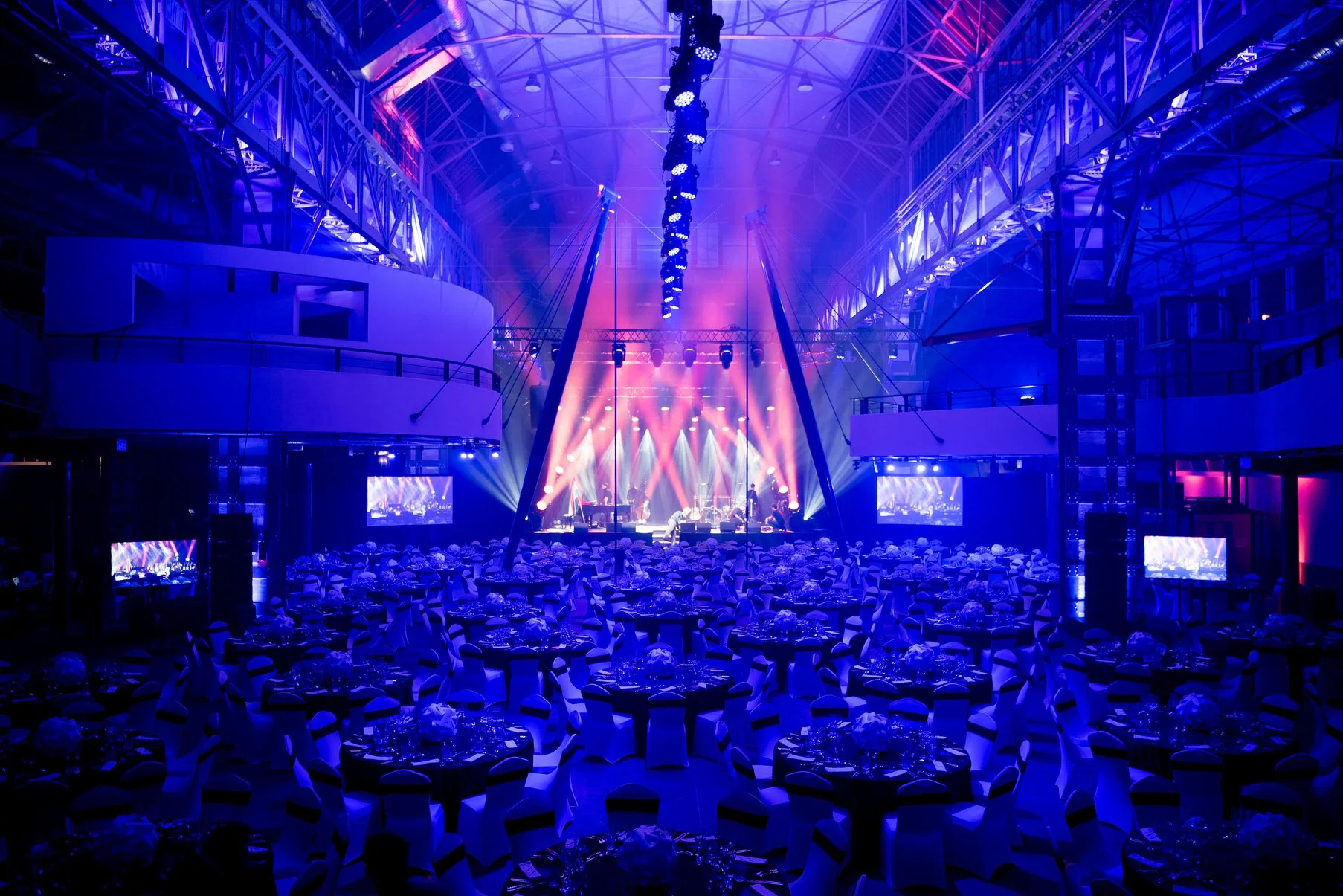
Brands choose the Arts District specifically for its aesthetic, raw brick, polished concrete, exposed steel, and it works against them if a build tries to hide that character rather than work with it. Our design team builds activations that use the existing architecture as a backdrop rather than covering it with generic drape and pipe.
This kind of build often means custom fabrication over off-the-shelf modular systems, since standard trade show hardware can look out of place against raw industrial architecture in a way it does not inside a convention hall.
Freight and loading in a converted district
Loading docks in the Arts District were built for freight trucks and manufacturing deliveries, not modern event trailers, and dock dimensions and street access vary considerably from block to block. We confirm truck size limits and street parking restrictions before scheduling freight, since some Arts District streets do not accommodate a full-size tractor-trailer.
Because several venues here share narrow streets with active gallery and restaurant traffic, we also build delivery windows around neighborhood activity rather than assuming clear access at any hour.
Power and rigging in exposed-structure buildings
Many Arts District buildings were wired for light industrial or manufacturing use, not the power draw of modern AV and lighting rigs, so we run a power assessment before finalizing an equipment plan rather than assuming standard event-grade capacity is already in place. Generator supplementation is common when a building's existing service falls short.
Rigging into exposed trusses and brick walls, part of what makes these spaces visually appealing, also requires structural verification specific to each building rather than a standard rigging plan carried over from a purpose-built venue.
Booth and exhibit design for design-industry shows
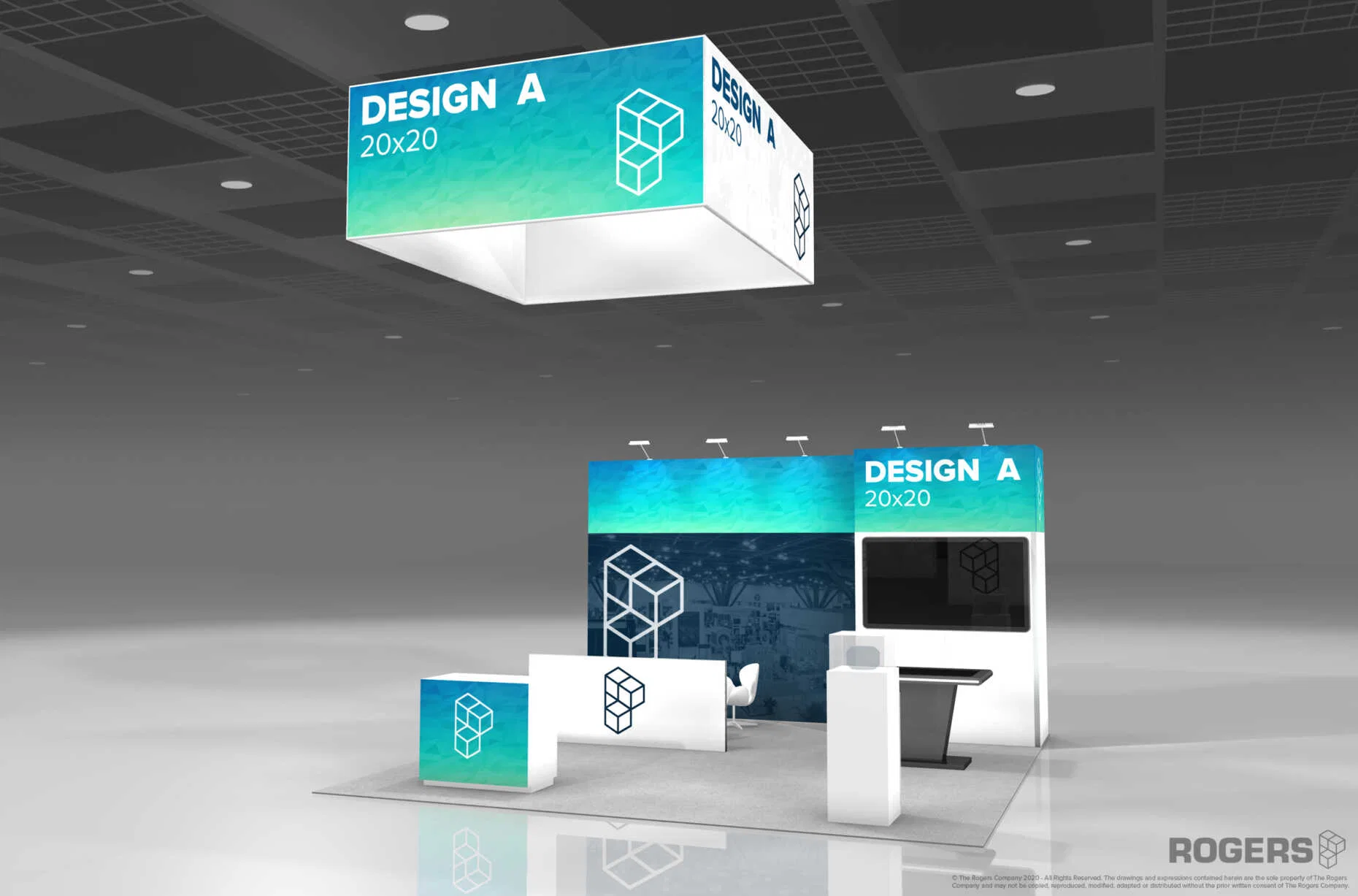
Design, furniture, and fashion trade shows that use the Reef tend to draw an audience with high visual standards, and booth presentation carries more weight here than at a general trade show. Our fabrication team builds with materials and finishes that read well against the building's industrial backdrop rather than a standard trade show palette.
For exhibitors returning to the Reef across multiple market weeks each year, we handle storage and refurbishment locally so a well-received booth design can be reused with updates rather than rebuilt each time.
Labor considerations for non-standard venues
Labor requirements at the Reef generally follow standard trade show jurisdiction, but individual warehouse and gallery activations outside the Reef may fall under different rules depending on the building and the nature of the event. We confirm labor requirements per venue rather than applying a single downtown standard across every Arts District job.
Crews working in converted industrial spaces also need to be briefed on building-specific hazards, uneven floors, exposed conduit, and load-bearing limits, that a standard convention center crew training would not cover.
A district defined by its character
The Arts District's appeal for events comes directly from what makes it different from downtown proper: fewer high-rises, more street-level galleries and studios, and a slower, more walkable feel than the convention center core a mile away. We plan events to lean into that character rather than fight it.
That also means the district has less hotel inventory than downtown or LA LIVE, so most Arts District events pair a venue here with lodging back toward downtown, which we factor into transportation planning for staff and VIP guests.
Working with our Arts District team
Every Arts District program starts with a site visit to the specific building, since power, rigging, and freight capacity differ enough between venues that a generic plan does not hold up. We confirm these details before finalizing a design or equipment order.
For brands considering the district for the first time, we can also advise on which buildings suit a given event type, since a rooftop product launch at the Reef and a small gallery activation call for very different production approaches.
We also help set realistic budget expectations early, since custom builds for non-traditional spaces typically cost more than a standard modular booth at a convention center, given the added engineering and site-specific fabrication involved.
Frequently asked questions
What is the main event venue in the Arts District?
The Reef, formerly the LA Mart wholesale building, is the closest thing the district has to a dedicated trade show venue, with multiple floors of exhibit space and a rooftop area used for design shows and large product launches.
Can you build events in warehouses outside the Reef?
Yes, we regularly build activations in converted galleries and warehouse spaces across the district, though each requires an individual assessment of power, rigging capacity, and loading access before we finalize a build plan.
Do Arts District venues have standard event power available?
Not always. Many buildings were wired for light industrial use rather than modern AV and lighting loads, so we run a power assessment ahead of the event and supplement with generators when the existing service is not sufficient.
Is truck access difficult in the Arts District?
Some Arts District streets and loading docks were built for older freight trucks and do not accommodate a full-size event trailer, so we confirm truck size limits and street access for the specific venue before scheduling deliveries.
Why do brands choose the Arts District for product launches?
The district's raw brick, exposed steel, and industrial architecture give brands a distinct backdrop that a standard convention hall or hotel ballroom cannot offer. Our design team builds activations that work with that architecture rather than covering it up.
Is there hotel inventory near the Arts District for event staff?
The district itself has limited hotel inventory compared to downtown or LA LIVE, so most Arts District programs house staff and VIP guests back toward downtown and factor that distance into transportation planning.